Understanding Formosan Termites and Their Threat to Live Oaks
Live oak trees are iconic to the landscape of New Orleans, providing shade, beauty, and a sense of history to countless properties throughout the region. Unfortunately, these magnificent trees face a serious threat from an invasive species: Formosan termites. Unlike native subterranean termites, Formosan termites are far more aggressive, consume wood at alarming rates, and can cause catastrophic damage to a tree's structural integrity in a surprisingly short timeframe.
Formosan termites arrived in the United States decades ago, likely through shipping containers, and have established themselves firmly in the Gulf Coast region, including New Orleans. These termites are particularly attracted to the heartwood of mature live oaks, which contain the cellulose they need to survive and reproduce. A single Formosan termite colony can contain millions of individuals and consume up to 13 ounces of wood per day, which means a healthy-looking live oak can harbor extensive internal damage without showing obvious external signs.
Signs of Formosan Termite Infestation in Your Live Oak
Detecting a formosan termites live oak infestation early is crucial for saving your tree. The challenge is that these termites work inside the wood, so external inspection requires a trained eye. One of the most telling signs is the presence of mud tubes running up the trunk or along the roots. These tubes serve as highways for termites to travel while protecting them from exposure to air and predators. If you notice brown, pencil-sized tubes on your oak's trunk or base, this is a strong indicator of active termite activity.
Another warning sign is the appearance of termite swarmers, which are winged reproductive termites that emerge during spring and early summer to establish new colonies. You might see these insects around outdoor lights at night or notice discarded wings near the base of your tree. Additionally, listen for hollow sounds when you tap on the trunk, and look for areas where the bark appears damaged, sunken, or has an unusual texture. A termite damaged tree new orleans homeowners should watch for may also show signs of weakened branches that crack easily or a general decline in the tree's vigor, even though the canopy still appears green.
The Danger of Hollow Oak Trees: Structural Hazards You Cannot Ignore
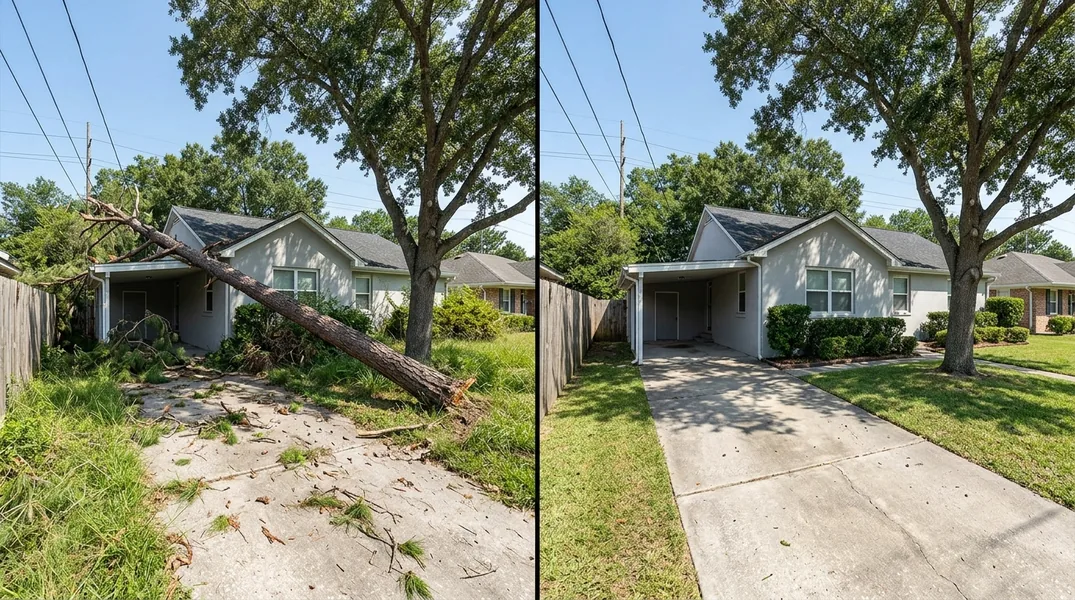
A hollow oak hazard represents one of the most serious risks a homeowner can face. When Formosan termites hollow out the interior of a live oak, they compromise the tree's ability to support its own weight. The heartwood, which provides structural support, becomes increasingly compromised as termites consume it from the inside out. This creates a situation where the tree may appear healthy on the outside while being dangerously unstable on the inside, ready to fail without warning.
The risk escalates dramatically during severe weather, high winds, or heavy storms. A tree that looks fine during calm weather can suddenly fail and crash onto your home, vehicle, power lines, or property during a storm. In some cases, large branches may drop unexpectedly even in mild conditions. This is why a professional tree health inspection NOLA is essential if you suspect termite damage. Certified arborists can use specialized tools, including resistograph testing and visual assessment, to determine the extent of internal damage and whether the tree poses an immediate hazard.
Professional Tree Health Inspection: Your First Line of Defense
If you suspect your live oak may be infested with Formosan termites, scheduling a professional assessment should be your immediate priority. A certified arborist can perform a comprehensive evaluation that goes far beyond what a homeowner can observe. During a tree health inspection, professionals look for mud tubes, inspect the bark for signs of damage, probe the wood with specialized instruments, and assess the overall structural integrity of the tree. They can also identify whether the damage is recent and active or historical.
New Orleans Tree Service offers professional tree health inspections that help homeowners understand the true condition of their trees. During an inspection, the arborist will provide a detailed report outlining any findings, the extent of damage, and recommended next steps. This might include monitoring the tree over time, implementing pest management strategies, or in severe cases, recommending Tree Removal to eliminate the hazard. Getting a free estimate for an inspection gives you peace of mind and helps you make an informed decision about your tree's future.
Treatment Options and When Removal Becomes Necessary
If a tree health inspection confirms Formosan termite activity, you have several options depending on the severity of the infestation and the tree's overall health. In early stages, when damage is minimal, pest management professionals may recommend targeted treatments using termiticides or baiting systems designed to reduce or eliminate the colony. However, these treatments work best when the infestation is caught early and the tree is otherwise healthy. Unfortunately, once a live oak has been extensively hollowed by Formosan termites, treatment options become limited because the structural damage cannot be reversed.
In many cases, especially when the hollow oak hazard is significant or the tree is declining rapidly, Tree Removal is the safest and most practical solution. Removing a hazardous tree eliminates the risk of it falling and damaging your property or injuring someone. After removal, Stump Grinding can eliminate the remaining stump, which may still harbor termite colonies. This comprehensive approach ensures that the termite problem is fully addressed and your property is safe. If you need emergency assistance due to a severely compromised tree, Emergency Tree Service is available to handle urgent situations.
Protecting Your Live Oaks: Prevention and Ongoing Monitoring
While not all termite infestations can be prevented, there are steps you can take to reduce the risk and catch problems early. Maintaining your trees in good health through proper care, including appropriate Tree Trimming & Pruning, helps them resist pest damage more effectively. Remove dead wood and branches promptly, as these attract termites. Keep mulch away from the base of your trees, maintain good drainage around the root zone, and avoid wounding the tree with lawn equipment or construction activities.
Regular visual inspections of your live oaks are also important. Walk around your trees seasonally, looking for mud tubes, signs of pest activity, or changes in tree vigor. If you notice anything concerning, contact New Orleans Tree Service at (504) 949-0844 to discuss your observations with a professional. Early detection of Formosan termites can make the difference between saving a tree and facing a costly removal. By staying vigilant and working with qualified arborists, you can protect your valuable live oaks and maintain the natural beauty of your property for years to come.
Looking for a professional tree service in New Orleans? New Orleans Tree Service responds fast for all your tree service needs.
Get a Free QuoteOur services: Tree Removal · Tree Trimming & Pruning · Stump Grinding